
Understanding When Depression Requires a Different Approach
Depression can affect people in different ways. While some individuals respond well to standard care, others may continue to experience symptoms over time. When this happens, the condition is often referred to as treatment-resistant depression, or TRD.
At Ascend Wellness Centers, we help individuals understand their options through a structured and supportive process. This guide explains what TRD means and why some people begin exploring additional care approaches.
Understanding Treatment-Resistant Depression
Treatment-resistant depression refers to a situation where symptoms of depression continue despite trying one or more standard treatment approaches.
This does not mean that support is not available. Instead, it highlights the need to reassess and explore other structured options.
Because each individual responds differently, care plans often need adjustment over time.
Why Depression May Not Improve as Expected
There are several reasons why depression may not respond as expected. In many cases, it is not a single factor but a combination of influences.
These may include:
- Differences in individual response
- Changes in lifestyle or stress levels
- Variability in treatment approaches
- Ongoing external challenges
Because of this complexity, it becomes important to look at the situation more broadly.
Common Signs of TRD
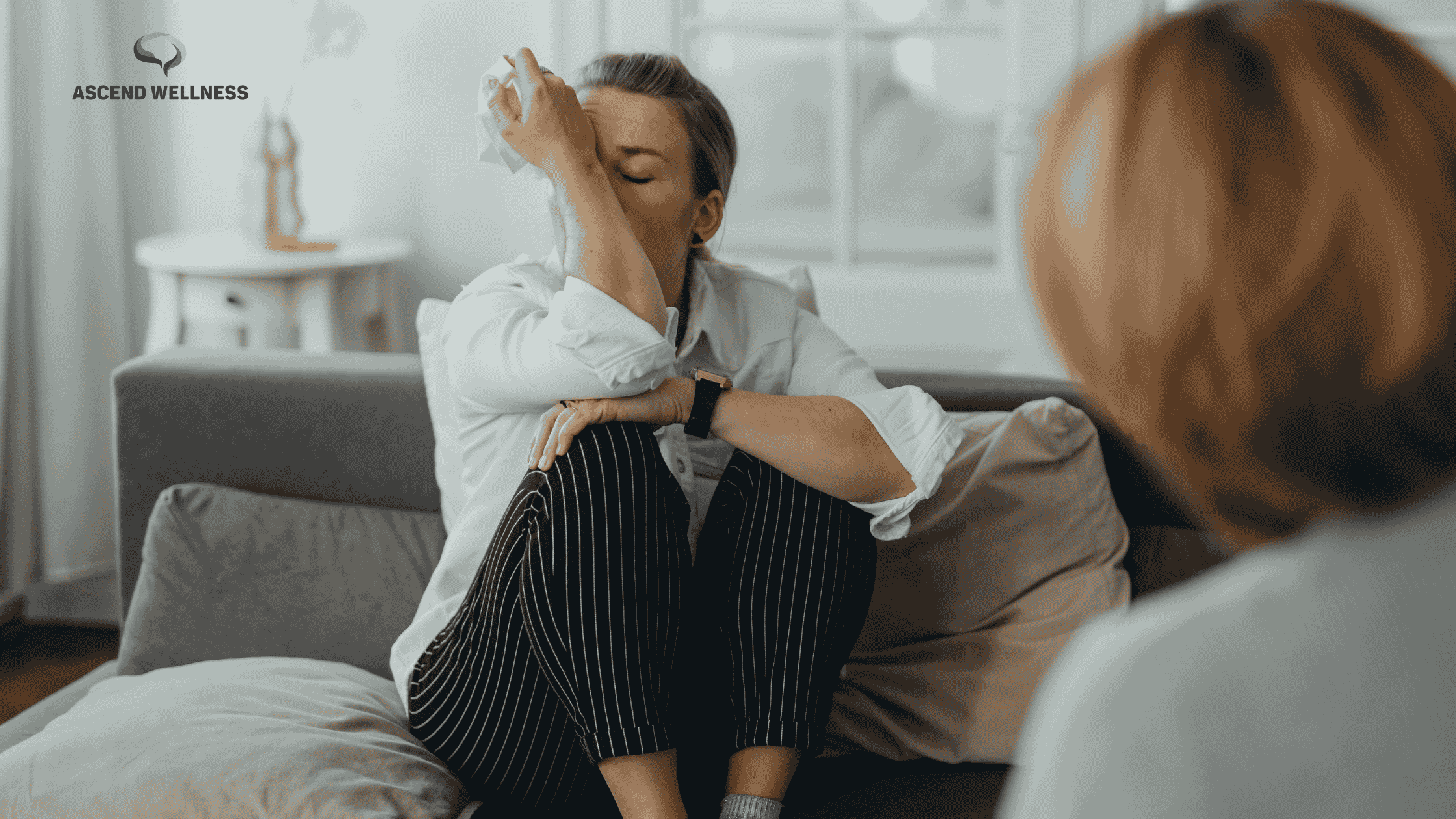
While each experience is different, some patterns may suggest treatment-resistant depression.
These may include:
- Symptoms that persist over time
- Limited improvement from previous approaches
- Difficulty maintaining daily routines
- Ongoing emotional strain
Recognizing these patterns helps individuals decide when to explore additional support.
When to Reevaluate Your Approach
Reevaluation becomes important when progress feels unclear. Rather than continuing the same approach without results, it may help to explore new options.
This step often includes:
- Reviewing previous care methods
- Identifying what has or has not worked
- Considering structured alternatives
Because of this, reevaluation supports better clarity moving forward.
Exploring Options for Treatment-Resistant Depression?
Ascend Wellness Centers provide IV ketamine therapy in a structured clinical setting for individuals exploring additional mental health support. A consultation helps you understand your options and next steps.
To learn more, you can request a consultation here or call us at 479-318-2382.
Our locations:
How Structured Care Options Help
When standard approaches feel limited, structured care options provide a more defined process. These approaches focus on consistency, monitoring, and clear communication.
At Ascend Wellness Centers, we provide IV ketamine therapy in a controlled clinical setting as part of mental health support.
Care always begins with a consultation to determine suitability and expectations.
The Role of Environment and Structure
Environment plays an important role in how care is experienced. A calm and predictable setting can help reduce uncertainty.
At Ascend Wellness Centers, we focus on:
- Private and comfortable spaces
- Consistent session structure
- Clear communication
Because of this, individuals can approach care with more confidence.
Why Personalization Matters
TRD does not follow a single pattern. Because of this, care should always be individualized.
Personalized care includes:
- Understanding individual history
- Adjusting approaches over time
- Maintaining flexibility
This helps ensure that care remains aligned with individual needs.
What to Expect During a Consultation

A consultation provides clarity before starting any structured care. During this step, we take time to understand each individual’s situation.
We typically:
- Review background and history
- Discuss current concerns
- Explain available options
- Outline next steps
Because of this process, individuals can make informed decisions.
Serving Multiple Locations
Ascend Wellness Centers provide IV ketamine therapy across:
- Lee’s Summit, Missouri (Kansas City area)
- Lowell, Arkansas
- Rogers, Arkansas (location now part of Ascend Wellness Centers)
This allows individuals to access care in a convenient location.
Exploring Options for Treatment-Resistant Depression?
Ascend Wellness Centers provide IV ketamine therapy in a structured clinical setting for individuals exploring additional mental health support. A consultation helps you understand your options and next steps.
To learn more, you can request a consultation here or call us at 479-318-2382.
Our locations:
Moving Forward With Clarity
Understanding treatment-resistant depression helps individuals take the next step with more awareness. Rather than feeling stuck, exploring new options can provide direction.
Because each situation is unique, structured support helps create a clearer path forward.
Final Thoughts
Treatment-resistant depression does not mean that progress is not possible. Instead, it signals the need to explore different approaches.
At Ascend Wellness Centers, we focus on providing structured and supportive care. This allows individuals to better understand their options and move forward with clarity.