
Understanding Intravenous Therapy and How It Supports Wellness
IV therapy has become an increasingly popular wellness option for individuals looking to support hydration, energy levels, and overall health. While intravenous treatments have long been used in medical settings, IV therapy in wellness environments focuses on helping the body absorb nutrients more efficiently and support optimal functioning.
Understanding what IV therapy is, how it works, and what to expect can help you decide whether it fits into your personal wellness routine.
What Is IV Therapy?
IV therapy, short for intravenous therapy, involves delivering fluids, vitamins, minerals, and other nutrients directly into the bloodstream through a vein. This method allows nutrients to bypass the digestive system, enabling faster and more efficient absorption.
When people ask what is IV therapy, they are often seeking clarity on how it differs from oral supplements and why it’s used in wellness settings. The key difference lies in absorption. Oral supplements must pass through the digestive system, where absorption can be reduced due to gut health, metabolism, or nutrient interactions. IV therapy delivers nutrients directly, allowing the body to utilize them immediately.
How IV Therapy Works
IV therapy works by introducing a customized blend of fluids and nutrients into the bloodstream through a sterile intravenous line. Once administered, these nutrients are circulated throughout the body, reaching cells and tissues efficiently.
The process typically includes:
- An initial consultation or assessment
- Selection of an appropriate IV formula
- Placement of an IV line by a trained professional
- Gradual infusion over a set period of time
Because IV therapy delivers nutrients directly into circulation, the body does not need to break them down first, which can make the effects more noticeable for some individuals.
Why IV Therapy Is Used in Wellness Settings
In wellness-focused environments, IV therapy is not about treating illness but about supporting the body’s natural processes. Many people explore IV therapy as part of a proactive approach to health.

Common wellness goals include:
- Supporting hydration
- Enhancing nutrient intake
- Promoting energy and focus
- Supporting recovery from physical or mental fatigue
- Complementing an overall wellness plan
Understanding what IV therapy is in a wellness context helps set realistic expectations and emphasizes its role as a supportive service rather than a cure.
Potential Benefits of IV Therapy
While individual experiences vary, many people seek IV therapy for its potential wellness benefits. These benefits depend on the nutrients used, personal health factors, and lifestyle.
Improved Hydration
Hydration plays a vital role in nearly every bodily function. IV therapy delivers fluids directly into the bloodstream, which can support hydration more efficiently than drinking fluids alone, especially for individuals who struggle with dehydration.
Proper hydration supports:
- Circulation
- Digestion
- Cognitive function
- Physical performance
Efficient Nutrient Absorption
One of the main reasons people explore what IV therapy is involves nutrient absorption. Because nutrients bypass the digestive system, IV therapy can help ensure that vitamins and minerals are delivered efficiently.
This may be beneficial for individuals with:
- Digestive sensitivities
- Nutrient absorption challenges
- Increased nutrient demands due to lifestyle or stress
Energy and Fatigue Support
Many people report feeling more energized after IV therapy. Nutrients commonly used in wellness infusions often support cellular energy production and metabolic processes.
Fatigue can result from multiple factors, including stress, poor sleep, dehydration, and nutrient gaps. IV therapy is sometimes used as part of a broader effort to address these factors.
Support During Busy or High-Stress Periods
Periods of intense physical or mental demand can place extra stress on the body. IV therapy is often sought during:
- High workloads
- Travel
- Intense training periods
- Recovery after prolonged stress
By supporting hydration and nutrient availability, IV therapy may help the body manage increased demands more effectively.
Wellness and Recovery Support
IV therapy is sometimes used to support recovery after physical exertion or prolonged fatigue. While it is not a replacement for rest or healthy habits, it may complement recovery efforts by supporting hydration and nutrient replenishment.
Common Uses of IV Therapy
People explore IV therapy for a variety of wellness-focused reasons. Understanding what IV therapy is includes knowing how it’s commonly used.
Common wellness uses include:
- Hydration support
- Nutrient replenishment
- Energy and focus support
- Wellness maintenance
- Recovery after physical or mental exertion
Each IV therapy experience should be tailored to individual needs and wellness goals.
What to Expect During an IV Therapy Session
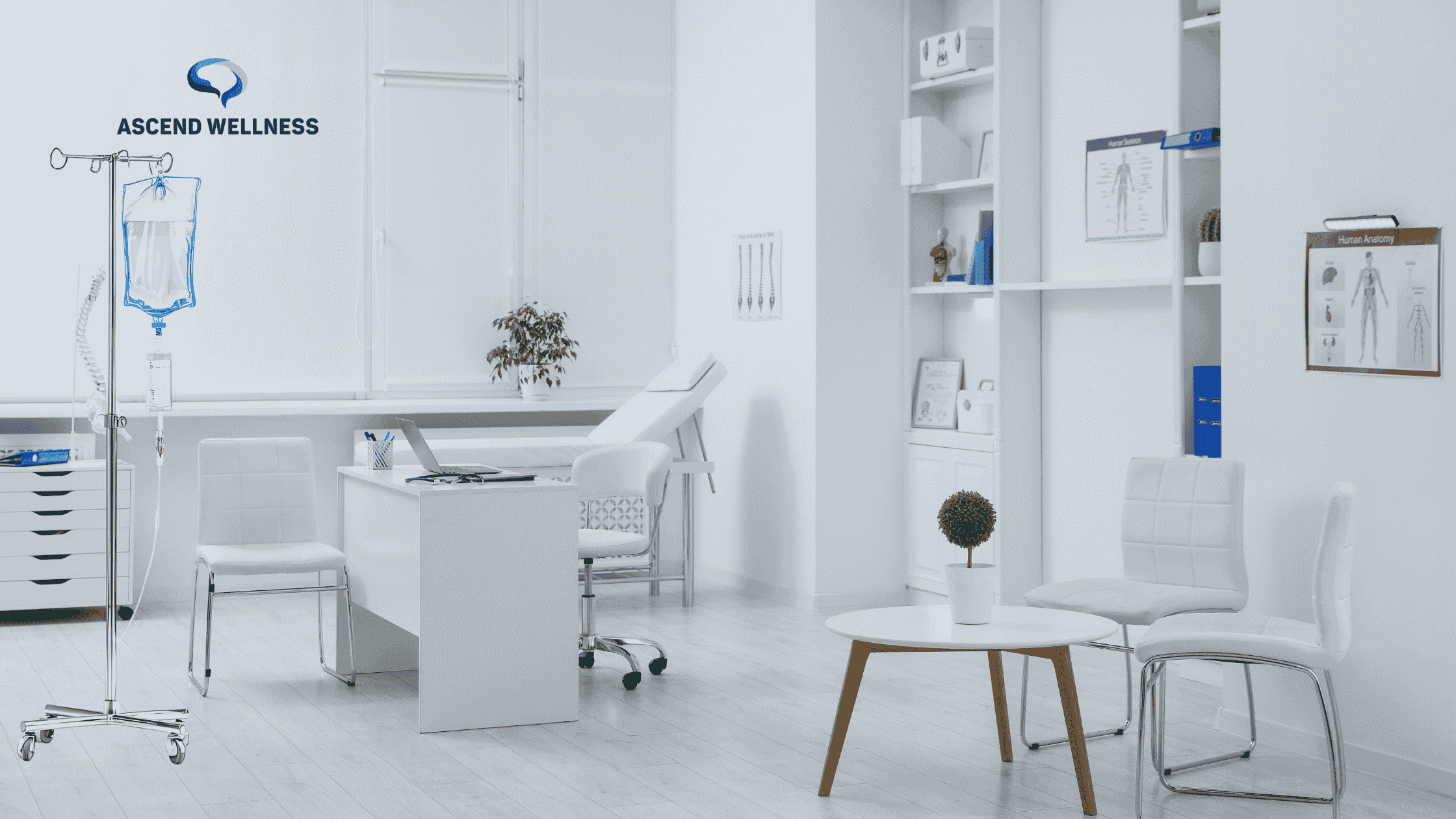
Knowing what to expect can help ease uncertainty, especially for first-time clients.
Ready to Take the Next Step?
If you have questions or would like to learn more about personalized wellness care, the team at Ascend Wellness is here to help.
📞 Call us: 479 318 2382
Initial Consultation
Before starting IV therapy, a consultation typically takes place to understand health history, wellness goals, and any concerns. This step helps ensure the experience is appropriate and personalized.
IV Placement and Infusion
A trained professional places a small IV catheter into a vein, usually in the arm. The infusion is administered slowly over a period of time, often ranging from 30 to 60 minutes.
During the session, individuals usually relax, read, or rest comfortably.
During the Session
Most people find IV therapy sessions comfortable and uneventful. Some may notice a cooling sensation as fluids enter the bloodstream. The experience is generally calm and supervised.
After the Session
Following IV therapy, individuals are typically able to resume normal activities. Some people report feeling refreshed shortly after, while others notice benefits gradually.
Results can vary based on individual health factors and lifestyle.
Is IV Therapy Right for Everyone?
While IV therapy is widely used in wellness settings, it may not be suitable for everyone. Individual health conditions, sensitivities, and goals should always be considered.
Professional guidance ensures:
- Safety
- Appropriate nutrient selection
- Personalized recommendations
- Proper monitoring
Understanding what IV therapy is also means recognizing when professional evaluation is important before proceeding.
IV Therapy as Part of a Wellness Lifestyle
IV therapy works best when integrated into a balanced wellness approach. It is not a substitute for:
- Healthy nutrition
- Adequate sleep
- Stress management
- Regular physical activity
Instead, IV therapy can serve as a complementary option that supports overall wellness efforts.
Choosing a Professional Wellness Provider
When considering IV therapy, choosing a qualified wellness provider is essential. A professional environment ensures:
- Proper screening
- Sterile procedures
- Trained staff
- Personalized care
A reputable wellness clinic prioritizes safety, education, and individual needs.
Final Thoughts
Understanding what IV therapy is allows individuals to make informed decisions about their wellness options. IV therapy offers a unique way to support hydration and nutrient delivery, especially for those seeking efficient absorption and wellness support.
As with any wellness service, education and professional guidance are key. When approached thoughtfully, IV therapy can be a valuable part of a comprehensive wellness routine.